Rough Tough Fat Felt Tip Mono 3 Review
A First Look at the Visual Personality
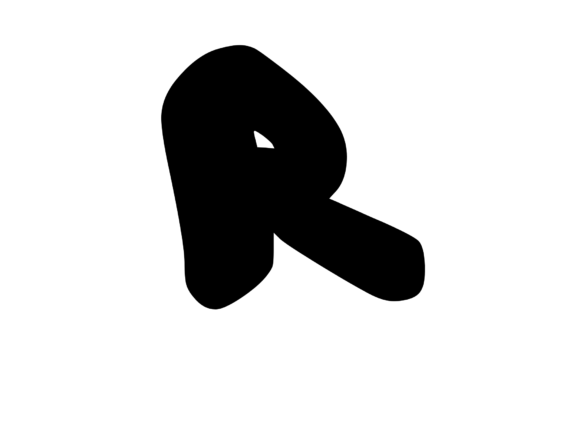
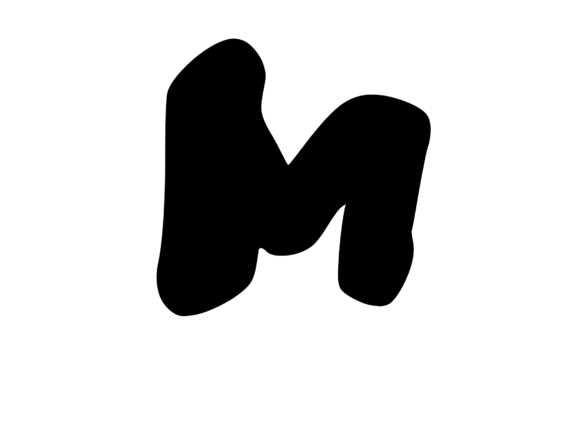
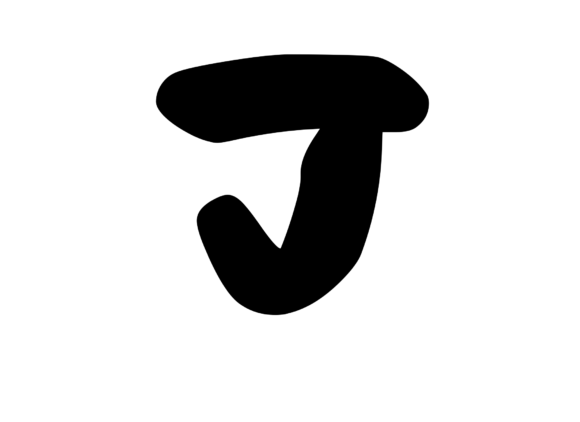
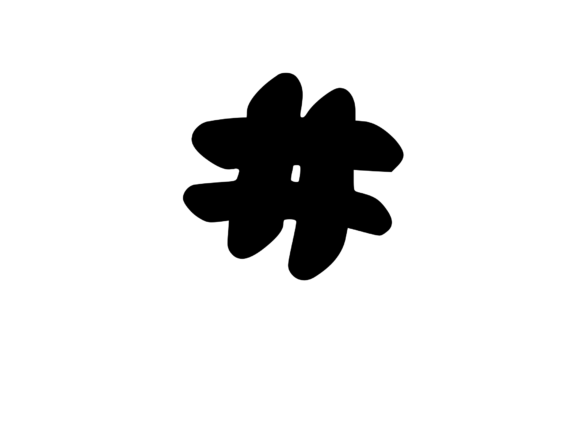
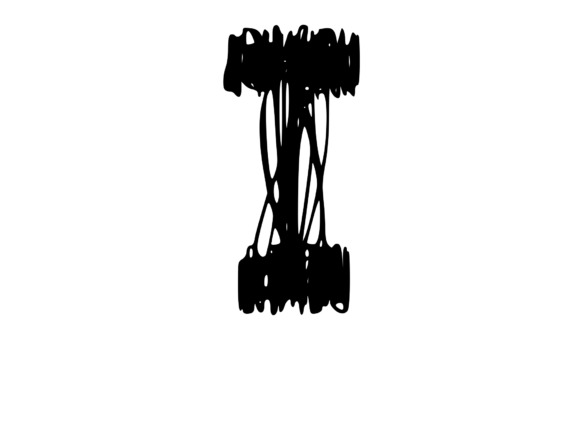
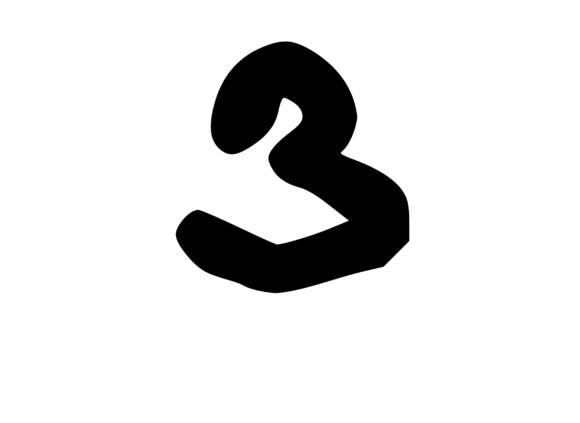
When I first opened the Rough Tough Fat Felt Tip Mono 3 file, I was immediately drawn to its bold and rugged aesthetic. The design has a distinct, almost weathered feel that screams of authenticity and handcrafted charm. It’s not your typical polished or overly detailed embroidery design—it feels more like a story told through texture and form.
The shape is simple yet striking, with clean lines and a sense of movement that makes it versatile for a variety of projects. This design doesn’t shout for attention; instead, it invites the viewer to lean in and appreciate the subtle imperfections that give it character. It’s the kind of machine embroidery design that would fit perfectly on a custom sweatshirt, tote bag, or even a rustic apron.
Real-Life Scenario: Custom Embroidered Tote Bag
Let’s imagine a scenario where this design is being used for a custom embroidered tote bag. As an embroidery designer, I’d consider how the Rough Tough Fat Felt Tip Mono 3 would translate onto fabric. Would the stitching hold up under frequent use? Would the texture of the design complement the fabric of the tote?
I can see this design working well on a canvas or cotton tote. The stitch density isn’t too heavy, so it won’t overwhelm the fabric. However, I would test it first on a scrap piece to ensure the thread colors contrast well with the fabric background. If using a dark fabric, I might suggest adding a stabilizer to keep the stitches from puckering.
For an Etsy seller or small shop owner looking to create unique products, this design could be a great addition to a line of handmade items. Its visual appeal adds a touch of personality that customers are likely to notice and appreciate.
Performance in Real Embroidery Situations
The Rough Tough Fat Felt Tip Mono 3 seems to perform well in a range of embroidery projects. It works particularly well on larger items such as tote bags, sweatshirts, and pillow covers where the design can breathe and stand out. It also shows promise for custom apparel and holiday embroidery projects, especially when paired with the right color palette.
However, there are certain scenarios where caution is needed. For example, if using this design on a small hoop size, some details may get lost or look cramped. Similarly, on textured fabrics or thin fabric, the design might require additional support to maintain its integrity.
If you're considering this digital embroidery file for commercial embroidery, it's important to check the license terms before selling any finished products or digital assets. Always confirm whether the design is suitable for both personal and commercial use.
Design Notes for Practical Use
As someone who regularly tests applique designs and satin stitch patterns, I always recommend testing the Rough Tough Fat Felt Tip Mono 3 on scrap fabric first. This helps identify any potential issues with stitch density or hoop size.
Another practical tip is to review the design in black and white mockups to see how it translates across different fabric backgrounds. This is especially important if you plan to use it on both light and dark fabrics. A proper stabilizer will also help maintain the quality of the final finished product, especially on stretchy or textured materials.
For craft business owners or Etsy sellers, ensuring brand consistency is key. This design can add a unique touch to your collection, but it should align with the overall theme and style of your other design assets.
Final Thoughts on Value and Appeal
The Rough Tough Fat Felt Tip Mono 3 is a solid choice for anyone looking to add a touch of rugged charm to their embroidery project. It brings a level of visual appeal that can elevate the presentation of handmade products, personalized gifts, or boutique merchandise.
Whether you’re an apparel decorator, craft fair vendor, or creative entrepreneur, this design has the potential to enhance your work and connect with customers who appreciate thoughtful, high-quality craftsmanship. Just remember to test it thoroughly and consider the fabric and application carefully before moving forward with a full production run.