Decaying Rotten Mono Letter I Review
A First Look at the Decaying Rotten Mono Letter I
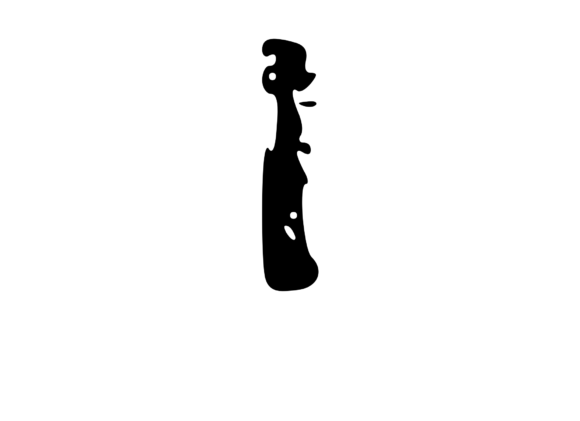
At first glance, the Decaying Rotten Mono Letter I feels like a bold statement. It’s not your typical clean, minimalist lettering—it carries a mood, a vibe that leans into decay and texture. The single-letter design is intentionally raw, with jagged edges and uneven lines that mimic something worn or weathered. This makes it feel like it belongs in projects where imperfection is part of the charm.
The visual personality of this design is moody and edgy. It's perfect for those who want to stand out from the crowd with something that doesn't look mass-produced. It screams "handmade" even before you stitch it. It’s ideal for custom apparel, patches, or any project that needs a little attitude.
Real-Life Use: Custom Embroidered Tote Bag
I recently used this design on a custom embroidered tote bag for a small shop that sells vintage-inspired accessories. The client wanted something unique that would catch attention. I chose a medium-weight cotton canvas and opted for a dark thread color to make the letter pop against the fabric.
The Decaying Rotten Mono Letter I stitched well, but I noticed that the texture of the letter was more visible on coarser fabrics. It worked beautifully on the tote, giving it a distressed, hand-stitched look. Customers loved how it stood out and added character to the product.
However, I had to be careful with stitch density. If I used too many stitches in one area, the fabric puckered slightly. I adjusted by reducing the number of stitches in the more intricate parts of the letter, which helped maintain the integrity of the fabric while keeping the design’s essence intact.
Where This Design Shines
The Decaying Rotten Mono Letter I works best on larger surfaces where the texture can be appreciated. Think tote bags, aprons, pillow covers, or even large patches. It adds an artistic edge to handmade products, especially when paired with natural or rustic materials.
For custom apparel, it's a great choice for sweatshirts, jackets, or denim pieces that are meant to have a rugged look. On baby clothes, though, it might be too intense unless paired with a soft, neutral background. It also fits well in holiday embroidery projects if you're going for a gothic or alternative theme.
Etsy sellers and craft business owners could use this as a signature piece for their brand, especially if they focus on edgy or alternative fashion. It's also a good fit for printable mockups or digital embroidery files that need a unique visual element.
When to Approach with Caution
While the Decaying Rotten Mono Letter I is visually striking, there are some limitations to consider. It may not be the best fit for small hoop sizes or detailed corners, as the texture might get lost or appear messy. For example, using it on a cap or hat could be tricky due to the curved surface and limited space.
On thin or stretchy fabrics, the design might not hold up as well without proper stabilizer. I recommend testing it on scrap fabric first, especially if you're working with dark fabric or textured fabrics. Also, if you plan to use it on layered garments, ensure the stitching won’t show through multiple layers.
Another consideration is stitch density. Too much detail in a small area can cause puckering or distortion. Adjusting the stitch count or using a lighter thread color can help balance the design and keep it looking clean.
Design Notes for Embroidery Professionals
If you’re planning to use the Decaying Rotten Mono Letter I in a real project, here are a few practical steps to take:
- Test on scrap fabric first to see how the design looks and behaves with different thread colors and fabric types.
- Check thread color contrast—especially if using it on dark or light backgrounds.
- Review stitch density to avoid puckering or overloading the fabric.
- Confirm hoop size and adjust the design if needed to fit within the available space.
- Inspect small details to ensure they translate well when stitched.
- Test in black and white mockups to evaluate how the texture and shape will look on different fabrics.
- Use proper stabilizer to prevent shifting or distortion during stitching.
- Check licensing before selling finished items or digital products based on this design.
Whether you're creating personalized gifts, small shop products, or commercial embroidery, the Decaying Rotten Mono Letter I has a place in your design toolkit. Just remember to approach it with intention and awareness of its strengths and limitations.
Overall, this design brings a unique edge to any project that embraces imperfection and texture. It’s not for every occasion, but when used thoughtfully, it can elevate a simple item into something memorable and visually compelling.